
Reversing the Biological Clock
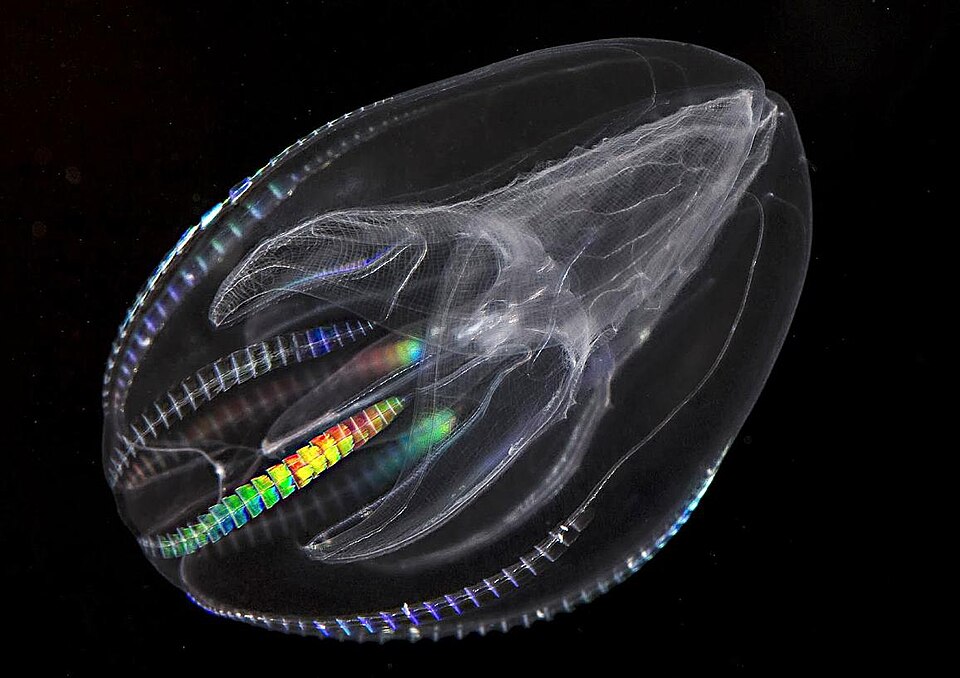
In the animal kingdom, development is almost universally understood as a one-way street: organisms are born, grow into adults, age, and eventually die. However, a groundbreaking discovery in marine biology has challenged this fundamental assumption. Researchers have observed that the warty comb jelly (Mnemiopsis leidyi) possesses the extraordinary ability to reverse its aging process. When subjected to physical injury or prolonged starvation, an adult comb jelly can regress into a larval cydippid stage, effectively resetting its developmental timeline.
The Science of Metamorphosis in Reverse
Developmental plasticity may be an ancient biological mechanism rather than an evolutionary anomaly.
This phenomenon of reverse development has previously been documented in only a handful of species, most famously the immortal jellyfish (Turritopsis dohrnii). The warty comb jelly accomplishes this biological feat through cellular reprogramming and structural remodeling. Under acute environmental stress, the organism resorbs its adult feeding lobes, regenerates larval tentacles, and downregulates mature gene expression patterns. Within several weeks of stress cessation, the reverted larva can resume normal growth and develop once again into a fully functioning adult.
Implications for Regenerative Medicine and Aging
The discovery that ctenophores—one of the earliest branching lineages of multicellular animals—possess reverse-aging capabilities suggests that developmental plasticity may be an ancient biological mechanism rather than an evolutionary anomaly. By studying the molecular signals that trigger and guide this cellular reversal, scientists hope to gain critical insights into tissue regeneration, wound healing, and cellular rejuvenation that could ultimately inform anti-aging therapies and regenerative medicine in humans. This article is based on reporting originally published in bioRxiv and Science.