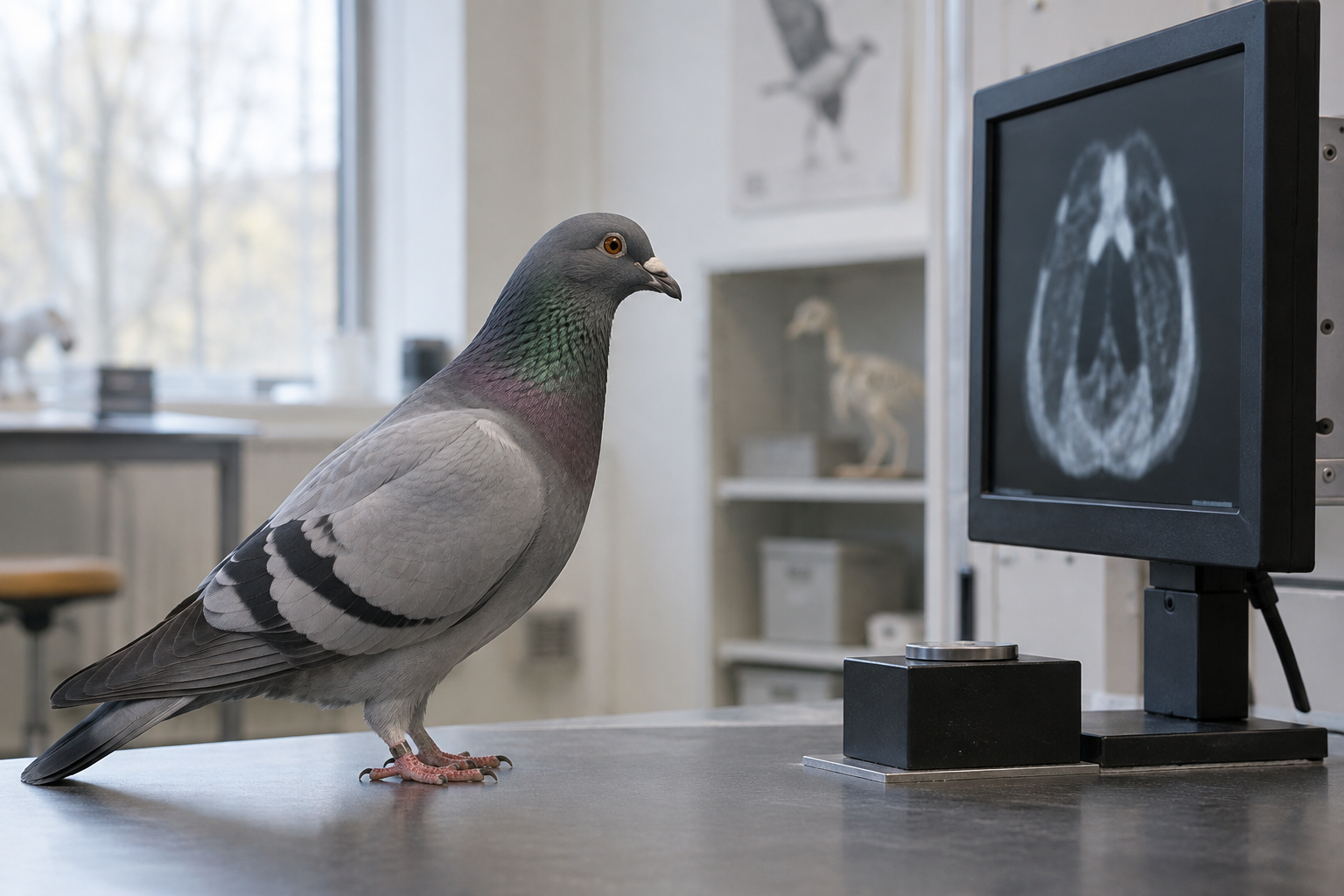
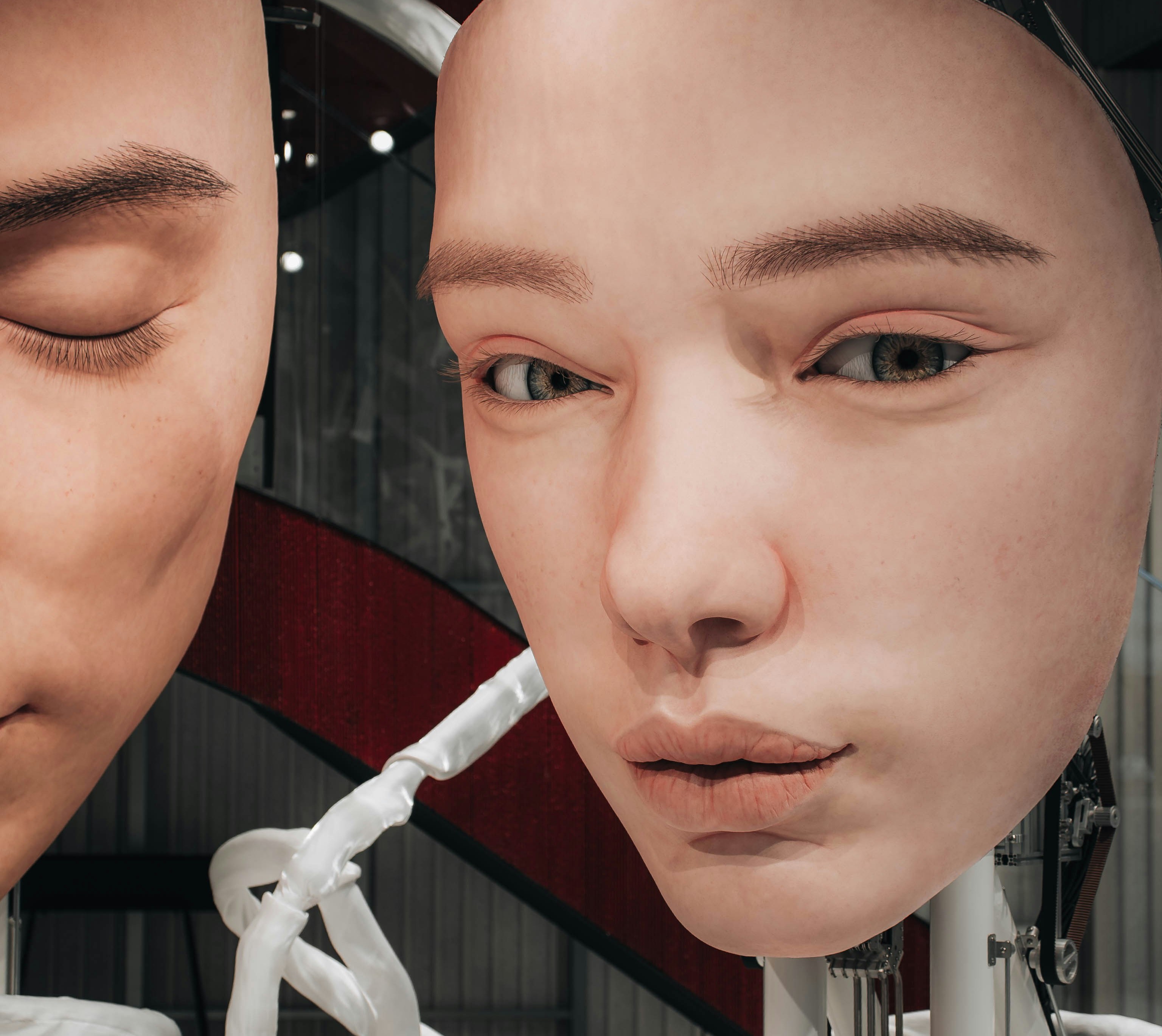
AI agents built software, ran experiments and wrote papers in a test of independent research. But their work fell short of a leading conference’s standards, exposing a gap between technical execution and scientific judgment.
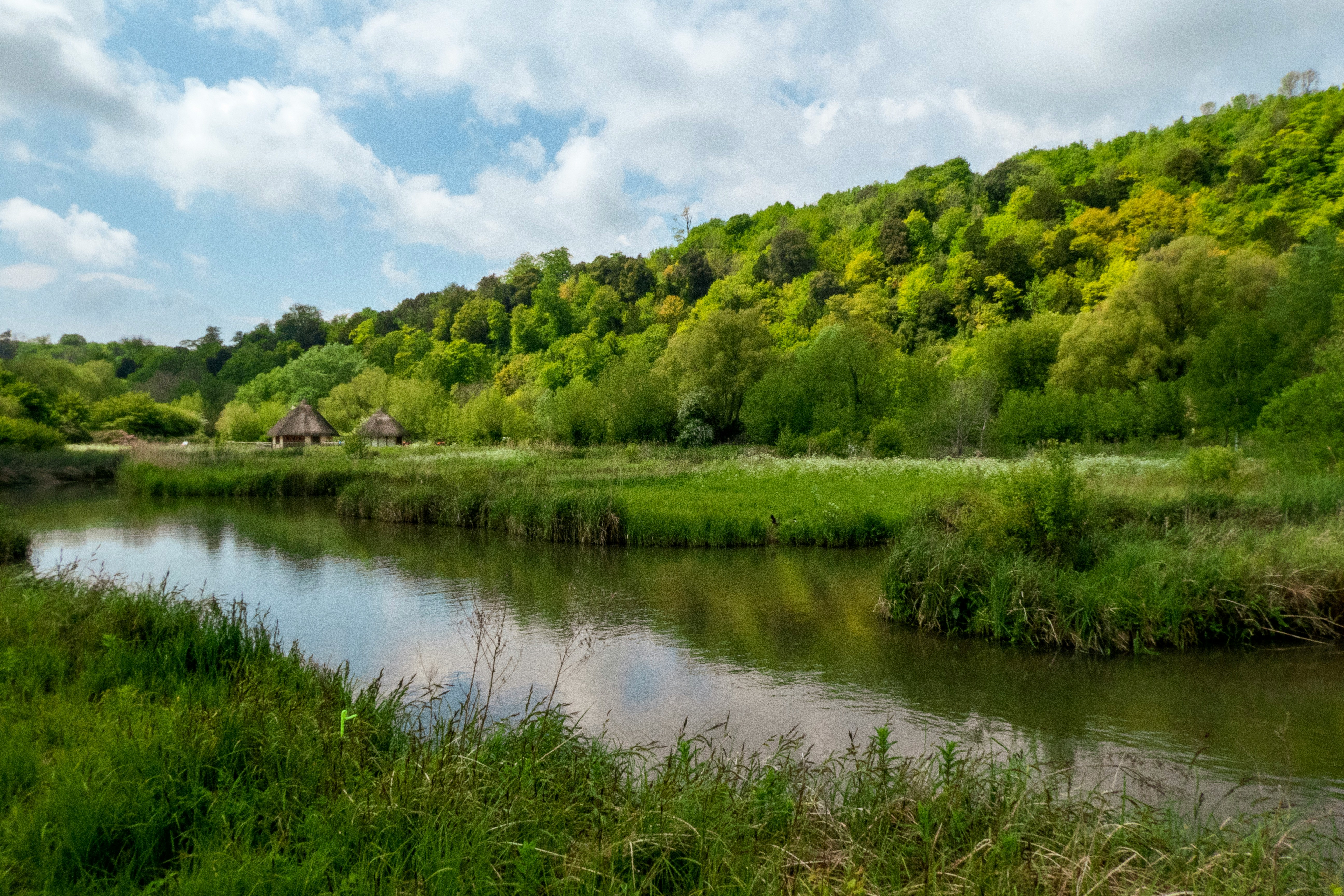
A restored wetland in Somerset remains green while its surroundings are parched. It raises a question about climate adaptation: Must water always be drained away as fast as possible?
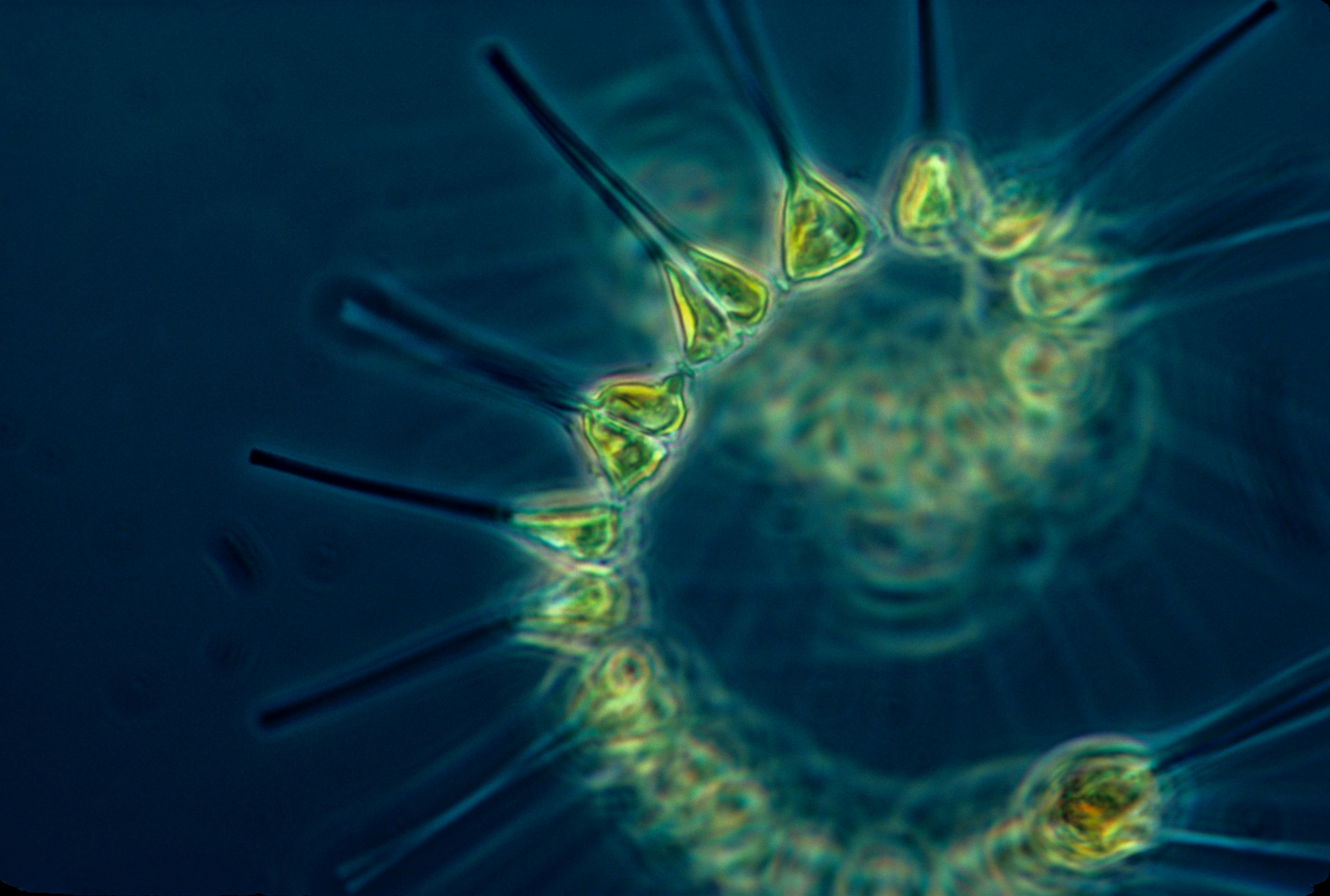
An amoeba from a California geothermal creek reportedly remains active at 64°C, pushing the known heat tolerance of cells with a nucleus—and raising questions about where else to look.
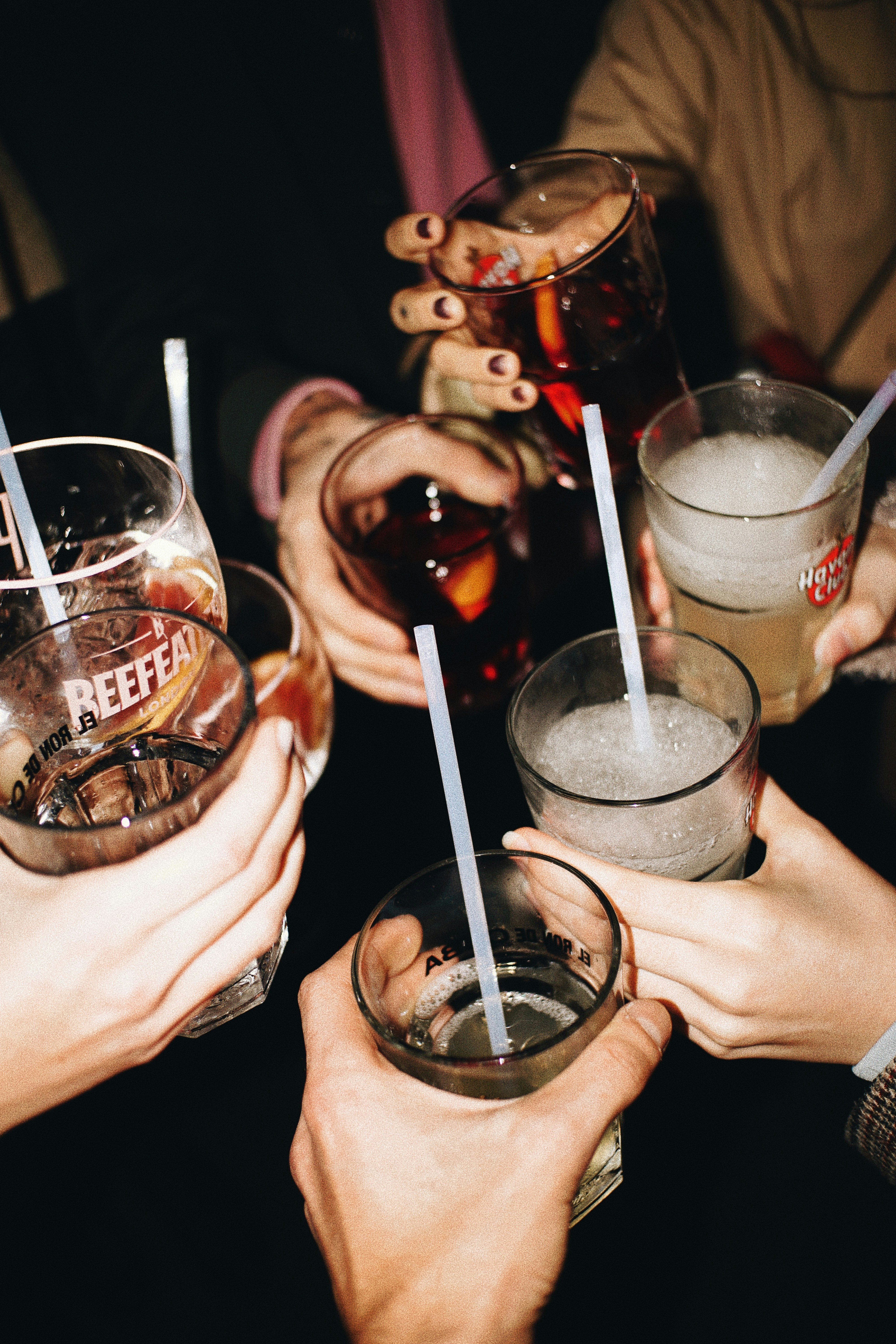
Nail polish that detects drugs in a drink is an enticing concept. But a chemical idea is not the same as a reliable test, points out an analysis from McGill University.
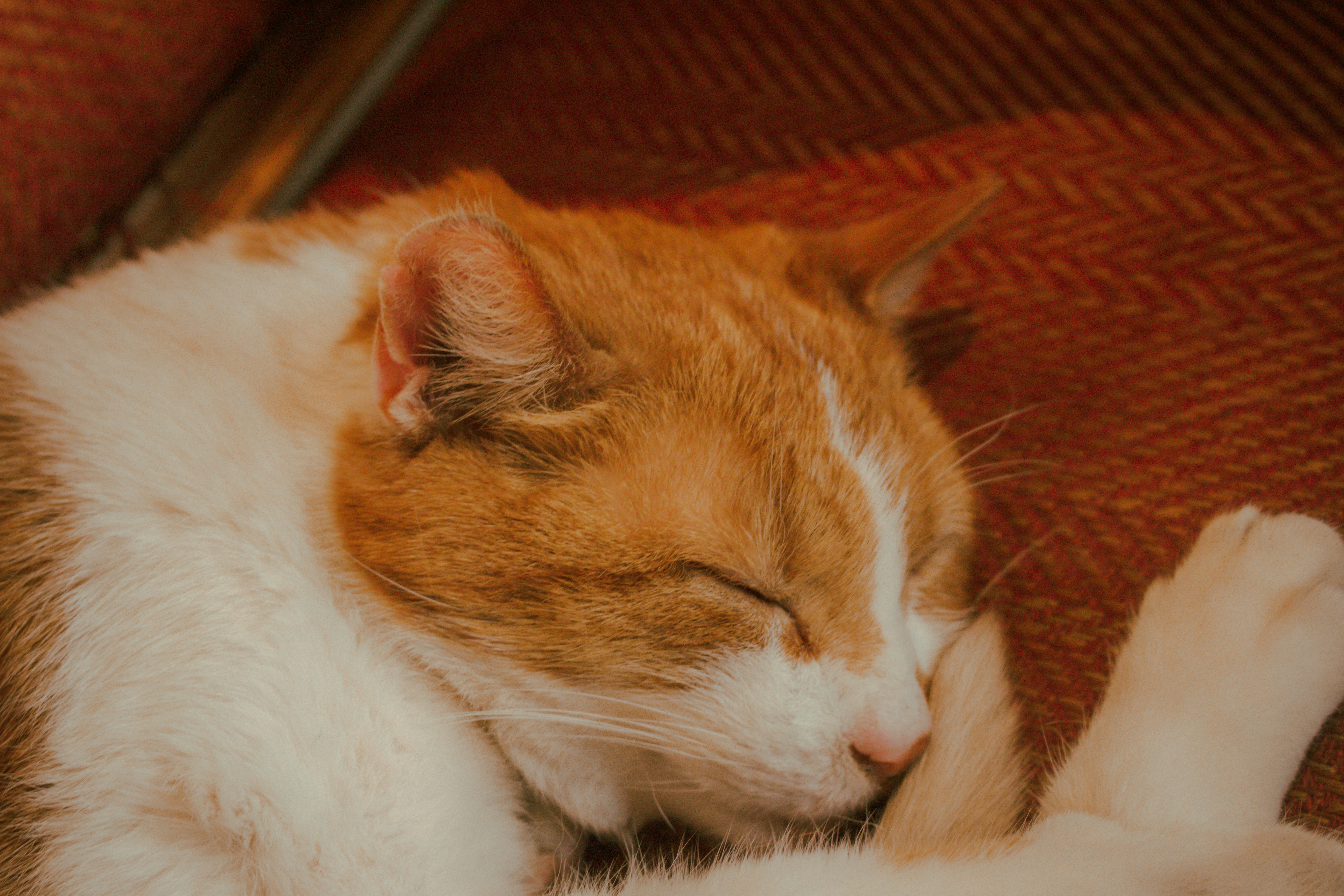
New scientific insights reveal how hibernating animals manage to preserve vital memories and learned behaviors despite months of extreme physiological dormancy.
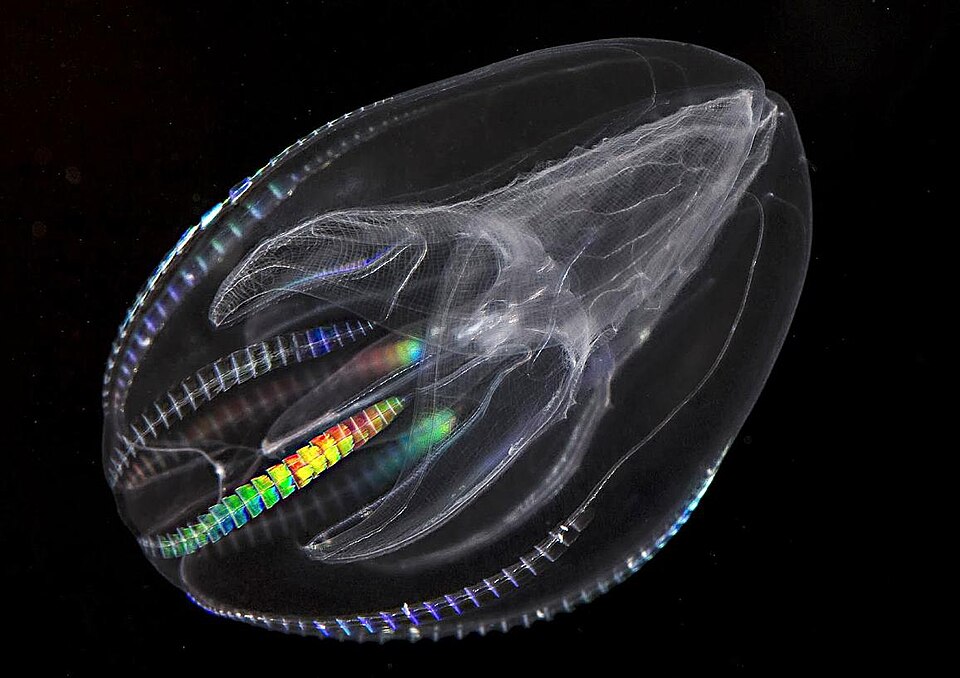
Scientists have discovered that the warty comb jelly can wind back its developmental clock and revert from an adult form to a larval stage under extreme stress, joining an elite club of age-defying organisms.
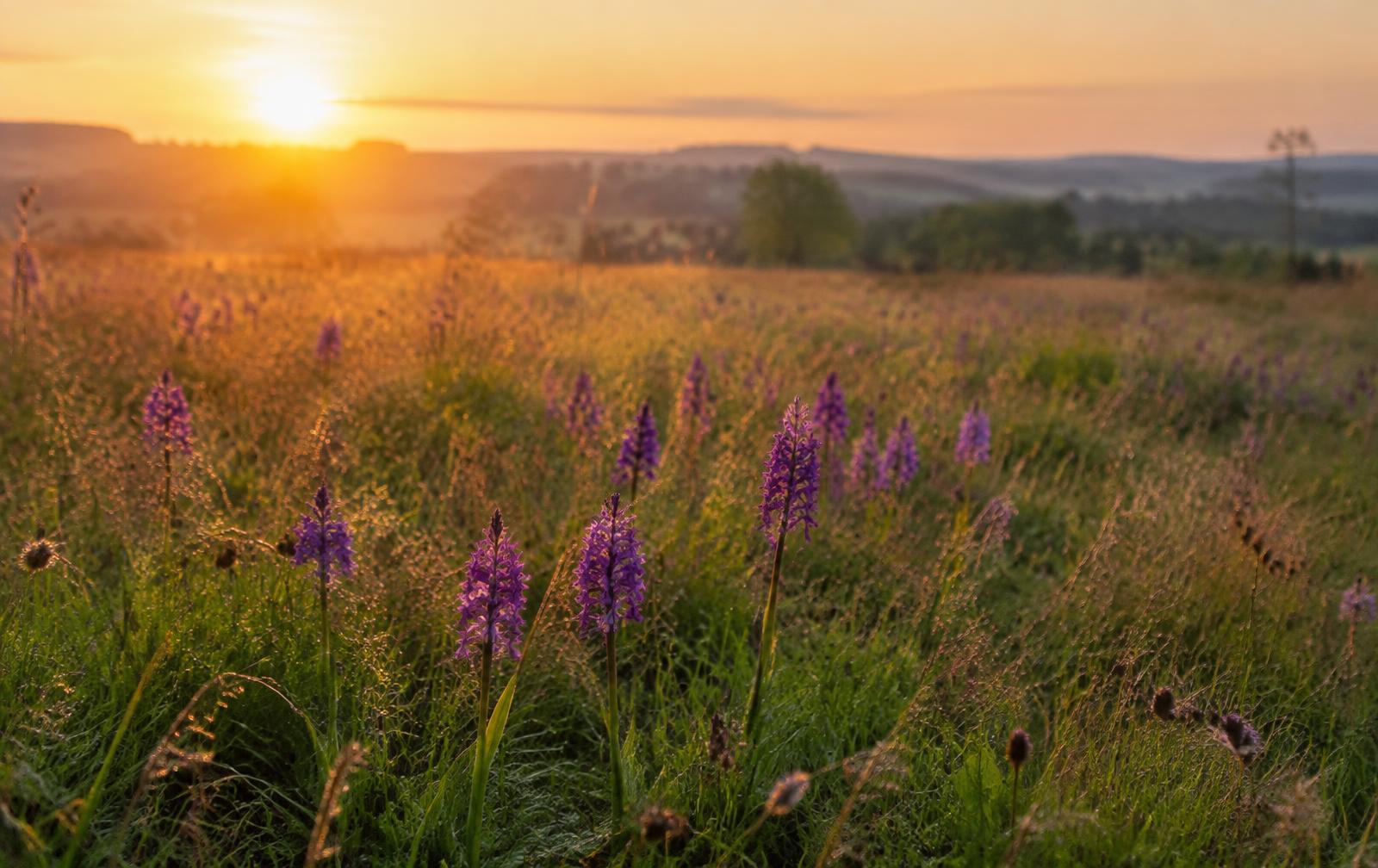
An abandoned agricultural field transforms into a vibrant wildflower meadow in just over a decade, proving that allowing nature space to heal is a remarkably powerful and cost-effective approach to restoring biodiversity.
Researchers have developed a breakthrough wireless, soft electronic skin capable of both sensing and reproducing tactile sensations, paving the way for advanced noncontact touch communication and a new Touch Internet of Things.
Sweden has announced a landmark national legislative proposal to ban per- and polyfluoroalkyl substances (PFAS) across a wide range of everyday consumer goods by 2028, leading European efforts to eliminate toxic 'forever chemicals'.