
The Resurgence of Wild Nature
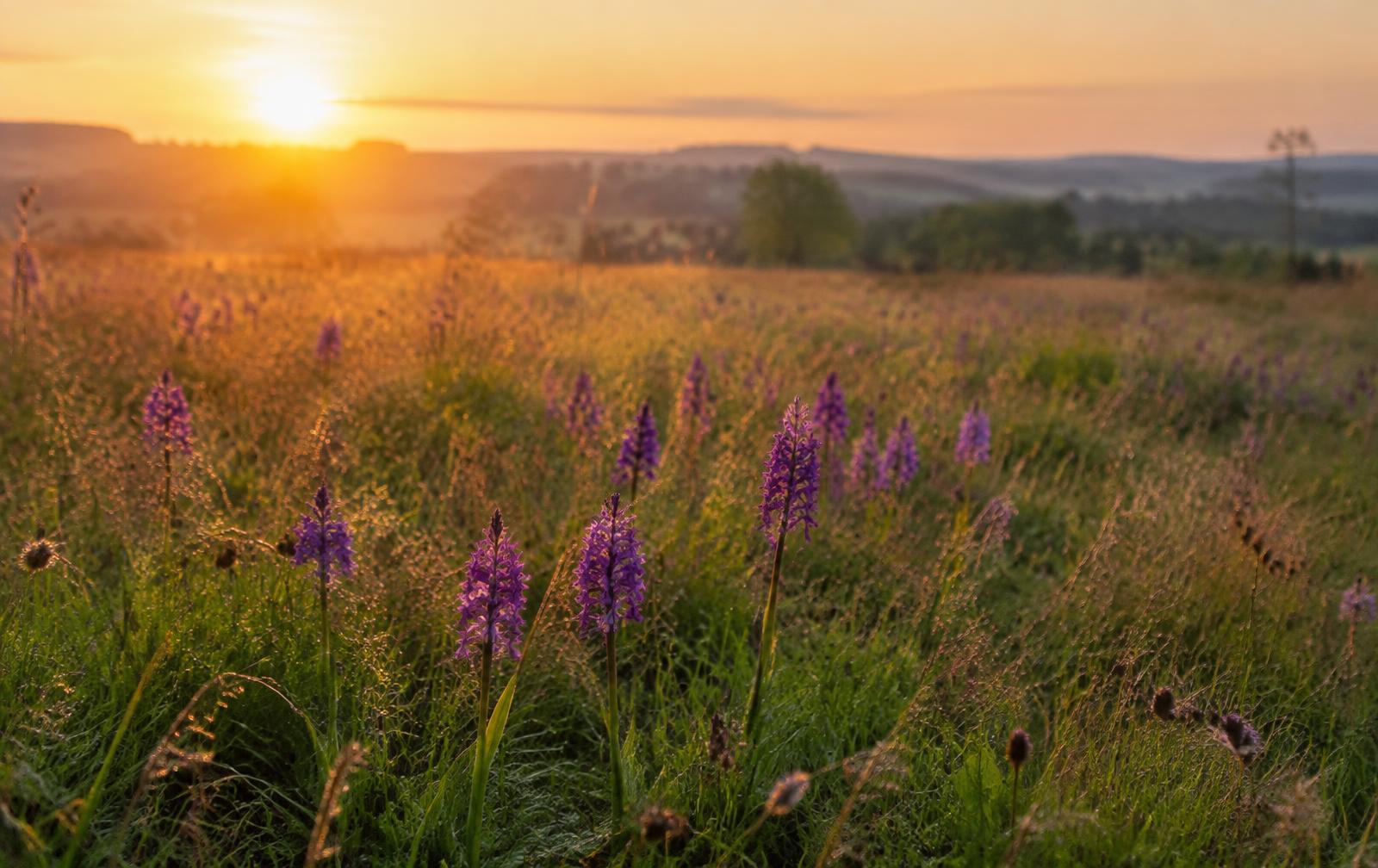
When human intervention is paused, the resilience of the natural world can yield astonishing results. Recent findings highlight a remarkable ecological recovery where an abandoned farm field spontaneously transitioned into a thriving wildflower meadow within little more than a decade. Over this short span, local plant diversity doubled, and thousands of wild orchids emerged naturally across the landscape.
This remarkable transformation offers a compelling perspective for conservationists and environmental scientists alike. Rather than relying solely on active, resource-intensive intervention and replanting schemes, the findings suggest that simply stepping back and giving nature the necessary time to recover can serve as a highly effective, low-cost tool for ecosystem restoration.
Soils retain a deep ecological memory, capable of rekindling complex plant communities.
Implications for Global Biodiversity
As modern ecosystems face mounting pressures from habitat loss and climate change, discovering straightforward and scalable methods to boost biodiversity is more critical than ever. Spontaneous succession demonstrates that soils retain a deep ecological memory, capable of rekindling complex plant communities and supporting native flora when given the proper conditions and protection from disturbance. This article is based on reporting originally published by Science Daily and Global Good News.