
A racing heart. A knotted stomach. A feeling of being overwhelmed. When anxiety rises, it is understandable to want something simple to focus on.
Tapping, also called EFT, is an exercise that combines gentle tapping on parts of the body with putting difficult feelings into words. Rather than describing it as a built-in “off switch” for panic, it is more useful to approach it without a promise of immediate relief.
What does tapping involve?
In the exercise described here, you use your fingertips to tap gently on a series of points while acknowledging what is troubling you. The practice brings together touch, attention and a spoken or silent phrase.
That description is different from a scientific explanation of its effects. The source draft claims that tapping switches off the brain’s alarm response and lowers stress hormones, but supplies no research to substantiate those claims. They should not be treated as established facts on the strength of that text.
A gentle way to explore the exercise
Begin by noticing what you are feeling, without forcing yourself to examine it closely. You might notice tension in your stomach, throat or chest. If paying attention to these sensations feels uncomfortable, you can stop.
Next, choose words that acknowledge the feeling without demanding that it disappear. For example: “I notice that I feel scared, and I can take this one step at a time.” You can say the phrase aloud or silently.
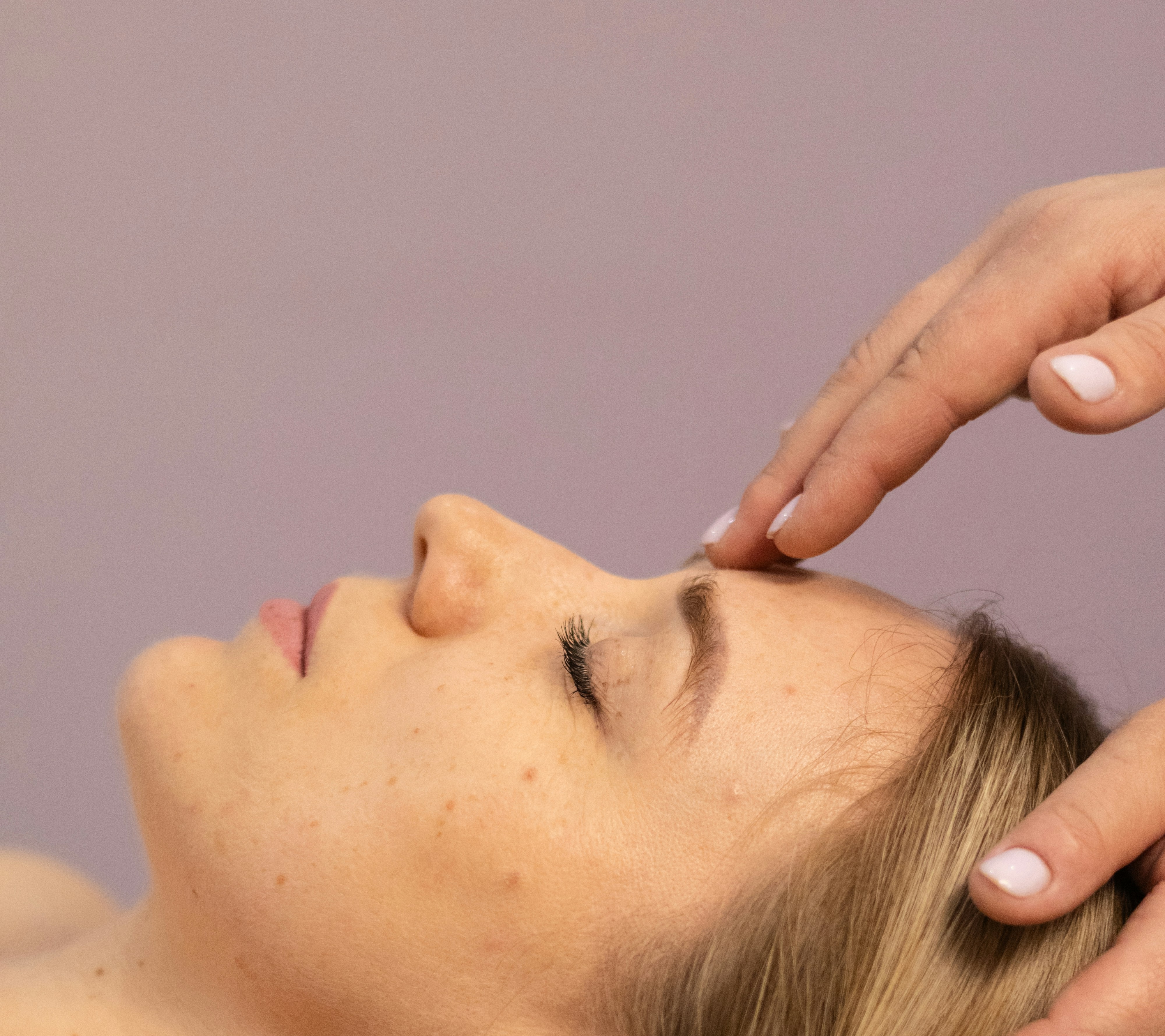
Using your fingertips, tap lightly on the side of one hand. The sequence in the supplied guide then moves above the eyebrow, beside and beneath the eye, beneath the nose, and below the mouth. It continues at the collarbone, under the arm and finally on the top of the head. Avoid tapping the eye itself, and keep the touch comfortable.
There is no need to push through discomfort or to achieve a particular feeling. Pause afterwards and notice your experience without treating it as a test you must pass.
Not a magic button
The important distinction is between trying an exercise and relying on it as treatment. This guide does not establish that tapping treats anxiety or stops panic attacks, nor does it verify the proposed biological mechanism.
If you choose to try it, leave room for the possibility that it may not feel helpful. A lack of relief is not a personal failure.
For persistent or severe anxiety, seek support from a qualified health professional rather than relying on tapping alone. Do not assume that new or severe chest pain or difficulty breathing is anxiety; seek urgent medical help.
Reference: Editor-supplied draft, “What is ‘Tapping’? – Your Magic Button to Calm Down.” No source URL supplied.